




Fixed, Long-Term Replacement for Missing Teeth
Dental implants are a predictable and long-lasting solution for replacing missing teeth. Whether you have lost a single tooth, several teeth, or all of your teeth, dental implants can restore function, appearance and confidence while helping to preserve the health of the jaws.
Dr Tom Pepper is a Consultant Oral & Maxillofacial Surgeon in London providing dental implant surgery for both straightforward and complex cases. His practice includes the assessment and treatment of patients with tooth loss, bone loss, failing dentition, failed implants, facial trauma and advanced reconstructive requirements.
Private consultations are available in London, including Harley Street and Cromwell Hospital.
What Are Dental Implants?
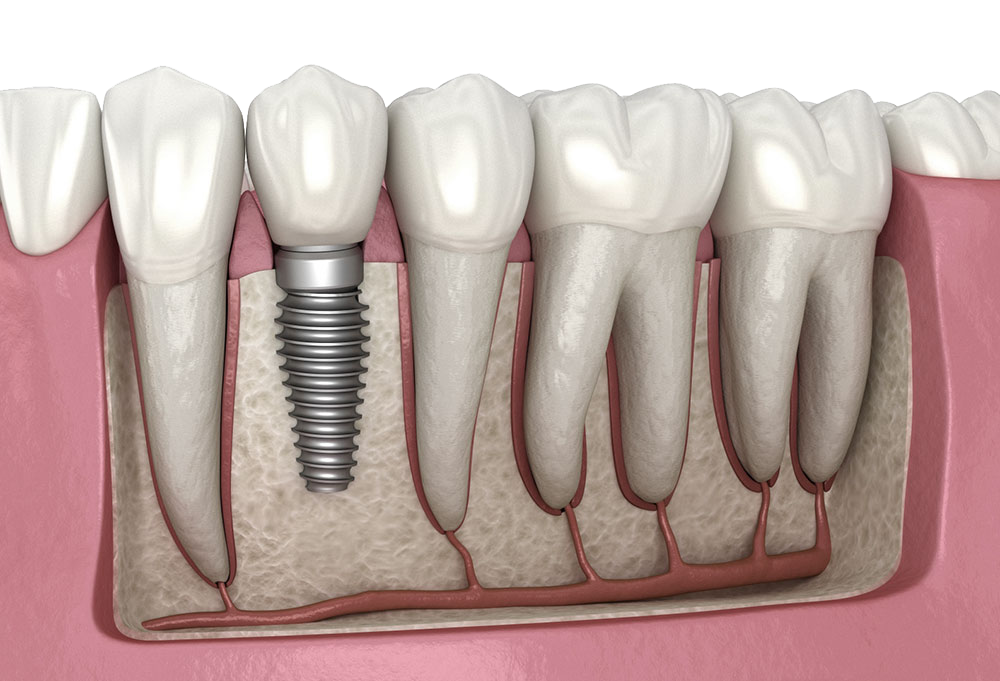
Dental implants are small titanium fixtures placed within the jawbone to replace the roots of missing teeth. Once integrated with the surrounding bone, they provide a secure foundation for replacement teeth.
Dental implants may be used to support:
- Single crowns
- Implant-supported bridges
- Multiple replacement teeth
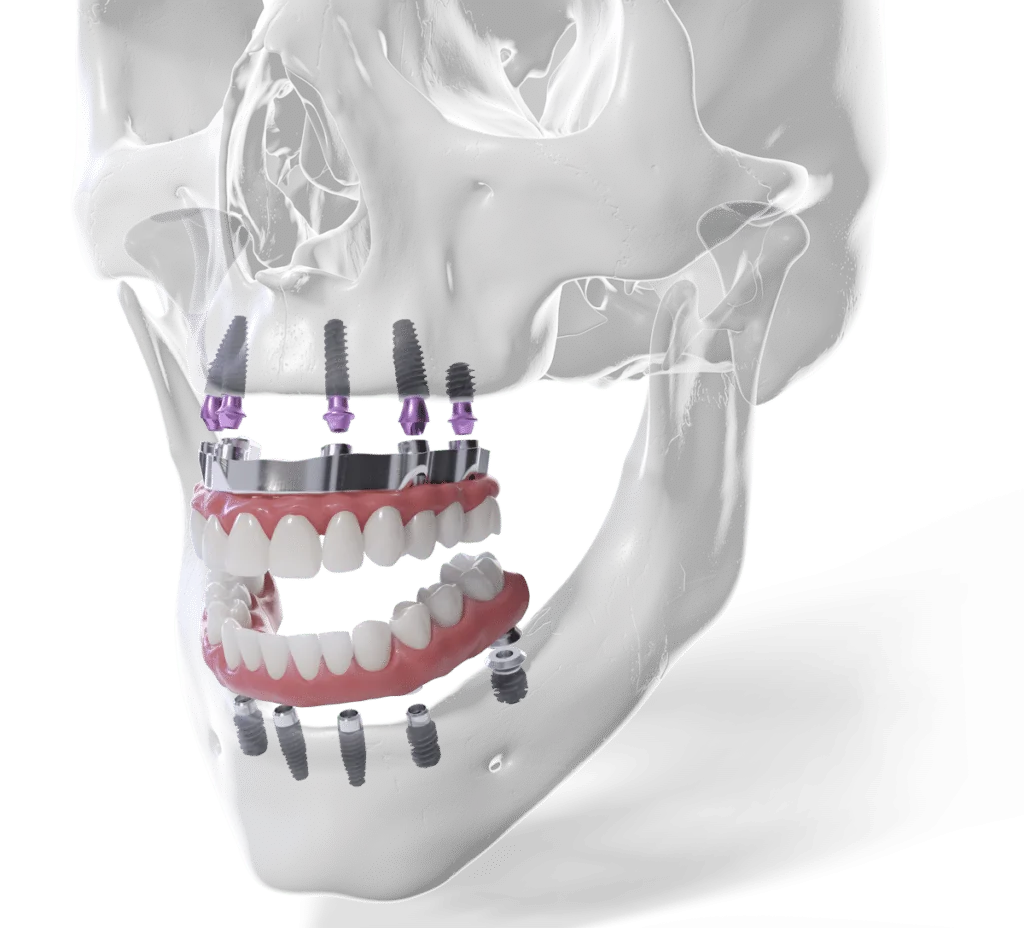
- Full-arch fixed bridges
- Implant-retained dentures
- Full-mouth rehabilitation
For many patients, dental implants provide the closest available alternative to natural teeth.
Benefits of Dental Implants
Dental implants offer several advantages over traditional dentures and bridgework.
Benefits may include:
- Improved chewing function
- A natural appearance
- Long-term durability
- Improved comfort and confidence
- Preservation of adjacent healthy teeth
- Maintenance of jawbone volume
- Secure support without removable appliances
With appropriate planning and maintenance, dental implants can provide excellent long-term function and aesthetics.
Dental Implants for a Single Missing Tooth
A single dental implant is often the most conservative method of replacing an individual missing tooth.
Unlike a conventional bridge, neighbouring healthy teeth usually do not require preparation. A custom-made crown is attached to the implant, creating a replacement tooth designed to match the surrounding dentition.
Common reasons for treatment include:
- Tooth loss following trauma
- Failed root canal treatment
- Severe dental decay
- Congenitally missing teeth
- Non-restorable fractures
Replacement of Multiple Missing Teeth
Where several teeth have been lost, dental implants can be used to support bridges or multiple restorations.
This approach can provide:
- Improved stability
- Enhanced comfort
- Better chewing efficiency
- Fixed replacement teeth
- Improved aesthetics
Treatment is tailored to the individual patient and may involve a combination of implant-supported restorations.
Full Mouth Dental Implants
Patients who have lost most or all of their teeth may benefit from full-arch implant rehabilitation.
Treatment options may include:
- Full-arch fixed implant bridges
- Implant-retained dentures
- Full-mouth reconstruction
- Comprehensive rehabilitation of the bite and smile
These treatments can significantly improve quality of life, chewing function and confidence compared with conventional removable dentures.
Sedation for Dental Implant Surgery
Many patients feel anxious about dental treatment or surgical procedures. Intravenous (IV) sedation or general anaesthesia in a hospital setting are available to help patients feel more comfortable throughout treatment. These are particularly useful for:
- Anxious patients
- More complex procedures
- Multiple implant placement
- Bone grafting procedures
- Full-arch implant surgery
Sedation options will be discussed during consultation to determine the most appropriate approach for your individual needs.
Do I Have Enough Bone for Dental Implants?
After tooth loss, the jawbone naturally shrinks over time. However, reduced bone volume does not necessarily prevent successful implant treatment. Modern implant surgery includes a range of advanced techniques designed to address challenging situations, including:
- Bone grafting
- Guided bone regeneration
- Ridge augmentation
- Sinus augmentation
- Platelet-Rich Fibrin (PRF)
- Inferior dental nerve lateralisation
- Zygomatic implants
- Custom subperiosteal implants
Many patients who have previously been told that they are unsuitable for dental implants may still have treatment options available.
Implant Treatment in Complex Cases
Consultant Oral & Maxillofacial Surgeons frequently manage patients whose treatment requirements extend beyond routine implant placement.
Examples include:
- Severe jawbone loss
- Long-standing denture wear
- Previous implant failure
- Facial trauma
- Congenitally missing teeth
- Orthognathic and reconstructive surgery patients
- Advanced anatomical challenges
- Revision implant surgery
Careful assessment and treatment planning are essential to achieving safe and predictable outcomes.
Bone Grafting and Regenerative Techniques
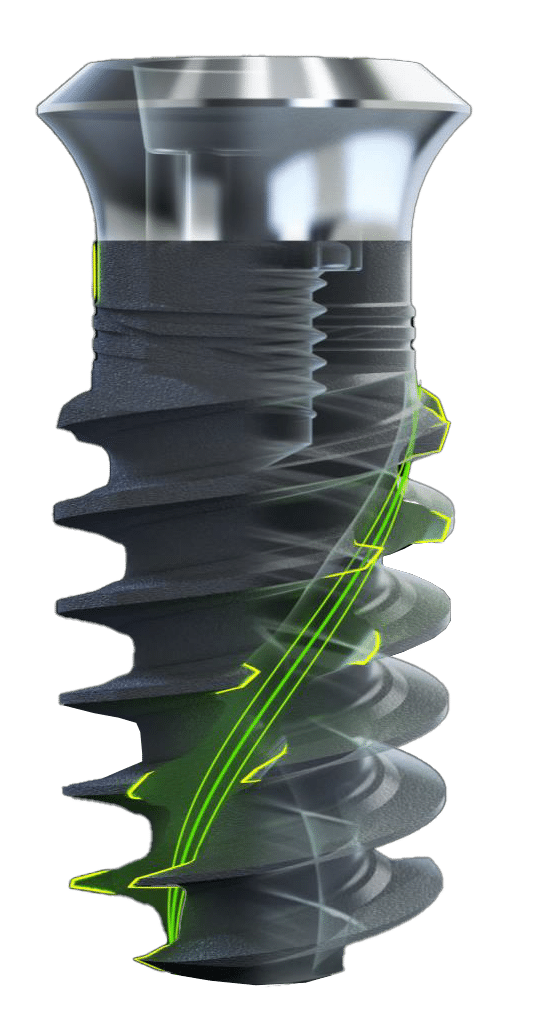
Where insufficient bone exists to support implants safely, additional procedures may be required before implant placement. Depending on the situation, treatment may include:
- Socket preservation
- Guided bone regeneration
- Onlay grafting
- Block bone grafting
- Sinus floor augmentation
Platelet-Rich Fibrin (PRF) may be incorporated into treatment plans where appropriate.
Inferior Dental Nerve Lateralisation
In some patients with severe bone loss in the lower jaw, the inferior dental nerve limits the available bone height for implant placement.
Inferior dental nerve lateralisation and repositioning are advanced surgical procedures that may occasionally permit implant placement where conventional techniques would be insufficient.
These procedures require careful assessment and are generally reserved for selected complex cases.
Zygomatic Implants
Patients with severe bone loss in the upper jaw may still be candidates for fixed implant reconstruction. Zygomatic implants obtain support from the cheekbones rather than relying solely upon the upper jaw. They can provide an alternative to extensive grafting procedures in carefully selected patients.
AMSJI and Custom Subperiosteal Implants
For some patients with advanced jawbone resorption, conventional implant treatment may no longer be feasible. Modern patient-specific subperiosteal implant systems provide additional options for fixed implant rehabilitation. These custom-designed implants are digitally planned using CT imaging and manufactured to fit the individual’s anatomy.
Collaborative Care with a Specialist Prosthodontist
Successful implant treatment depends upon both precise surgical placement and high-quality restoration. Dr Tom Pepper works closely with a specialist prosthodontist throughout the planning and treatment process. This collaborative approach allows surgical and restorative considerations to be integrated from the outset.
The prosthodontic phase of treatment may include:
- Single implant crowns
- Implant-supported bridges
- Full-arch fixed restorations
- Implant-retained dentures
- Full-mouth rehabilitation
Close collaboration between surgeon and prosthodontist is particularly valuable in complex cases involving extensive reconstruction, severe bone loss, aesthetic challenges or full-mouth implant treatment.
Why Choose a Consultant Oral & Maxillofacial Surgeon?
Dental implant surgery is fundamentally a surgical procedure involving the jaws, facial skeleton and surrounding tissues.
As a Consultant Oral & Maxillofacial Surgeon, Dr Tom Pepper combines medical, dental and surgical training to provide comprehensive assessment and treatment of both routine and complex implant cases.
Particular expertise includes:
- Advanced dental implant surgery
- Bone reconstruction
- Facial skeletal surgery
- Management of complications
- Revision implant surgery
- Implant treatment in patients with significant bone loss
This broad surgical background can be particularly valuable where treatment extends beyond straightforward implant placement.
Dental Implants in London
Dr Tom Pepper provides dental implant consultations and treatment in London for patients seeking replacement of single teeth, multiple teeth or full-mouth rehabilitation.
Patients are referred from within London, the United Kingdom, and overseas for both routine and complex implant treatment.
Consultations focus on delivering a clear understanding of all available options and developing an individualised treatment plan.
Frequently Asked Questions
How Much Do Dental Implants Cost?
The cost of dental implants varies depending on the complexity of treatment. Factors affecting cost include:
- Number of implants required
- Type of restoration
- Requirement for bone grafting
- Need for sinus augmentation
- Full-mouth versus single-tooth treatment
- Requirement for sedation
- Use of regenerative adjuncts such as platelet-rich fibrin (PRF)
A detailed treatment plan and personalised quotation are provided following consultation and assessment.
How Long Do Dental Implants Last?
Dental implants are designed to provide a long-term solution for tooth replacement. Many implants remain successful for decades when supported by good oral hygiene, healthy gums, and regular maintenance. The restoration attached to the implant may require maintenance or replacement over time, but the implant itself can often function successfully for many years.
Is Dental Implant Surgery Painful?
Dental implant surgery is generally well tolerated. Most procedures are performed under local anaesthetic, with sedation and general anaesthesia available in selected cases. Patients typically experience mild to moderate discomfort, temporary swelling, occasional bruising. Most symptoms are manageable with routine pain relief and improve steadily during the first few days following surgery.
Can Dental Implants Be Placed If Bone Has Been Lost?
In many cases, yes. Bone loss does not automatically prevent dental implant treatment. Depending on the individual situation, options may include:
- Bone grafting
- Sinus augmentation
- Inferior dental nerve lateralisation
- Zygomatic implants
- Custom subperiosteal implants
A specialist assessment can determine which options may be appropriate.
How Long Does Dental Implant Treatment Take?
Treatment duration varies significantly depending upon the complexity of the case. Simple implant cases may be completed over a period of a few months, whereas advanced reconstruction involving grafting procedures may require a longer treatment pathway. Factors affecting treatment time include:
- Bone quality and quantity
- Healing capacity
- Number of implants placed
- Requirement for grafting procedures
- Complexity of the restoration
A personalised treatment timeline will be discussed during consultation.
Book a Consultation
If you are considering dental implants in London, arrange a consultation with Dr Tom Pepper to discuss your options.
Whether replacing a single missing tooth, addressing significant bone loss, or planning a complex full-mouth reconstruction, a detailed assessment can determine the most appropriate treatment approach for your individual needs.

