




Jaw Feminisation Surgery for a Softer, More Feminine Jawline
Mandibular angle reduction, often referred to as jaw contouring, jaw reduction surgery, or jaw feminisation surgery, is a procedure used to reshape the lower jaw and reduce prominence at the mandibular angles.
Within facial feminisation surgery (FFS), jaw contouring can help create a smoother, narrower, and more tapered lower face. By addressing the underlying facial skeleton, the procedure can significantly influence facial gender perception while maintaining natural facial balance.
Dr Tom Pepper is a Consultant Oral and Maxillofacial Surgeon in London specialising in facial feminisation surgery, facial skeletal surgery, and advanced 3D surgical planning.
Consultations are available in London at Harley Street and Cromwell Hospital.
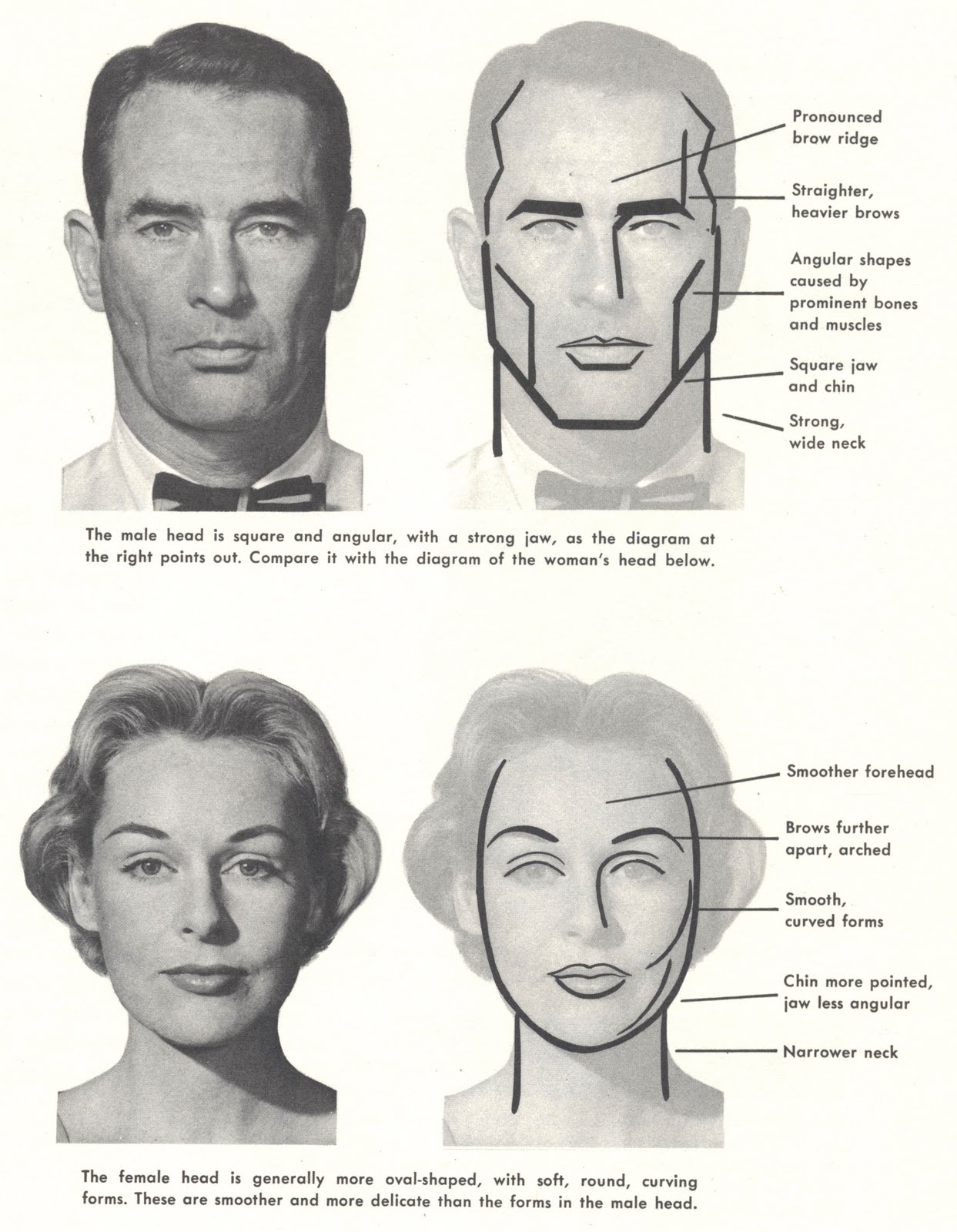
The Role of the Jawline in Facial Gender Perception
The jawline is one of the most important skeletal features influencing how a face is perceived.
Typical masculine jaw characteristics may include:
- Wider lower facial width
- Prominent mandibular angles
- A squarer lower face
- Greater lower facial definition
Typical feminine facial characteristics often include:
- Softer jaw angles
- Reduced lower facial width
- A narrower lower face
- A more tapered transition between the jawline and chin
Because the mandible forms the structural framework of the lower face, even relatively modest changes can have a significant impact on overall facial appearance.
Who May Benefit From Jaw Contouring?
Mandibular angle reduction may be appropriate for patients who:
- Have a broad or square jawline
- Feel the lower face appears overly angular
- Wish to reduce lower facial width
- Seek greater facial tapering
- Are undergoing facial feminisation surgery
- Want improved balance between the upper, middle, and lower face
Many patients report that the jawline is one of the facial features that contributes most strongly to being gendered incorrectly.
What Is Mandibular Angle Reduction?
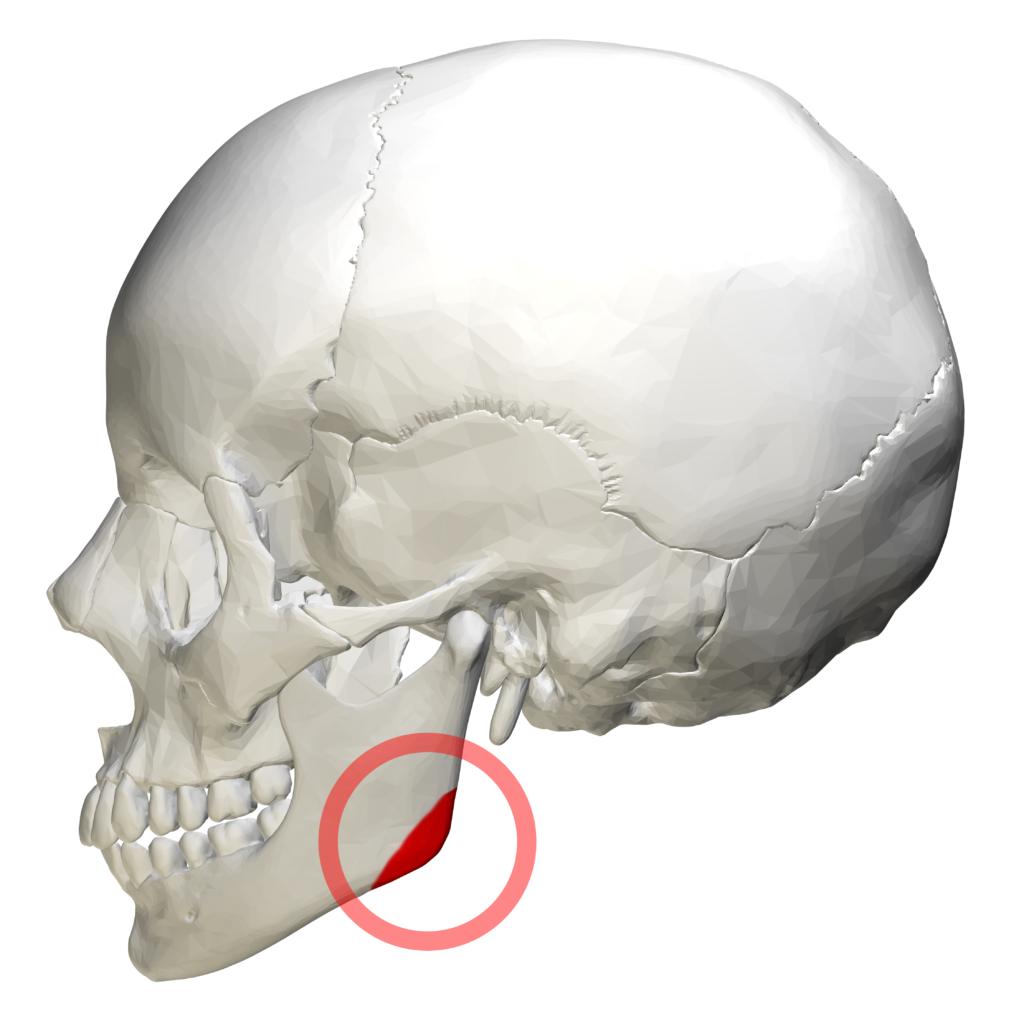
The mandibular angle is the area where the lower border of the jaw meets the ascending ramus.
In some individuals, this region is particularly prominent and contributes to:
- A square facial shape
- Increased lower facial width
- Strong jaw definition
Mandibular angle reduction involves careful reshaping of the bone to create a smoother and more refined lower facial contour.
The goal is not simply to make the jaw smaller, but to create facial proportions that appear balanced and harmonious.
Jaw Contouring and V-Line Surgery
Patients researching facial feminisation frequently encounter the term V-line surgery.
V-line surgery refers to procedures that create a narrower, more tapered lower face through modification of:
- The mandibular angles
- The lower jawline
- The chin
In some patients, mandibular angle reduction alone produces the desired result.
In others, jaw contouring may be combined with chin surgery to create a more complete V-line appearance.
The appropriate approach depends entirely on the individual’s anatomy and aesthetic goals.
Advanced Skeletal Planning
As a Consultant Oral and Maxillofacial Surgeon, Dr Tom Pepper approaches jaw contouring from a skeletal perspective.
Careful planning considers:
- Facial width
- Facial height
- Chin position
- Jaw projection
- Facial symmetry
- Occlusion
- Overall facial proportions
The jaw is seldom treated in isolation. Instead, treatment is designed to ensure that any changes remain balanced with the forehead, nose, cheeks, lips, and chin. This allows a cohesive and natural feminisation result.
The Procedure
Mandibular angle reduction is performed under general anaesthetic.
During surgery:
- The jaw is accessed through incisions inside the mouth
- Prominent bone is carefully reshaped
- The contours of the lower jaw are refined
- The transition from jawline to chin is smoothed where appropriate
Because access is gained through intraoral incisions, there are normally no visible external scars.
Recovery After Jaw Contouring
Recovery occurs gradually over several weeks and months.
Patients can typically expect:
- Swelling during the initial healing phase
- Temporary jaw stiffness
- Temporary altered sensation in selected areas
- Progressive improvement in facial contour as healing occurs
Most patients return to routine daily activities within several weeks.
Final definition becomes increasingly apparent as swelling resolves.
Results
As healing progresses, patients often notice:
- Reduced lower facial width
- Softer mandibular angles
- A more tapered facial shape
- Improved facial balance
- Greater harmony with other feminisation procedures
The changes are structural and long-lasting because they involve modification of the underlying facial skeleton.
Mandibular Angle Reduction vs Masseter Reduction
A wider lower face may be caused by bone, muscle, or a combination of both.
Mandibular Angle Reduction
- Reshapes the facial skeleton
- Permanently reduces bony prominence
- Addresses skeletal lower facial width
- Produces long-term structural change
Masseter Reduction
- Targets the jaw muscles
- Reduces muscle bulk
- Non-surgical approach
- Temporary effect
- Best suited to muscle hypertrophy
Accurate diagnosis is essential because the most effective treatment depends on whether the width originates from bone, muscle, or both.
Mandibular Angle Reduction vs Jawline Filler
Some patients explore dermal fillers before considering surgery.
Jawline Fillers
- Add volume
- Temporary
- Improve contour in selected cases
- Require repeated treatments
Jaw Contouring Surgery
- Removes excess skeletal prominence
- Creates permanent structural change
- Improves lower facial width
- Does not require maintenance
For patients seeking meaningful jaw feminisation, surgery often provides a more predictable and long-lasting result.
Combining Jaw Contouring with Other Facial Feminisation Procedures
Jaw contouring is frequently combined with:
- Chin feminisation (reduction genioplasty)
- Forehead contouring
- Hairline lowering
- Rhinoplasty
- Cheek augmentation
- Lip lift
- Tracheal shave
Addressing multiple skeletal and soft-tissue features simultaneously often produces the most balanced and natural feminisation outcome.
Frequently Asked Questions
What is jaw feminisation surgery?
Jaw feminisation surgery refers to procedures that reduce lower facial width and soften mandibular contours to create a more feminine facial shape.
What is mandibular angle reduction?
Mandibular angle reduction is a surgical procedure that reshapes the angles of the lower jaw to reduce prominence and create a smoother lower facial contour.
What is V-line surgery?
V-line surgery refers to procedures designed to create a narrower, more tapered lower face by modifying the jawline and chin.
Will jaw contouring make my face look unnatural?
The aim is not to eliminate jaw definition entirely, but to achieve a balanced and proportionate change that fits naturally with the rest of your facial features.
Will there be visible scars?
No. The procedure is typically performed through incisions inside the mouth.
Can jaw contouring be combined with chin surgery?
Yes. Combining jaw contouring with genioplasty is common and often produces the most harmonious lower facial result.
Why Choose Dr Tom Pepper?
Jaw feminisation is fundamentally a facial skeletal procedure. Successful treatment requires understanding:
- Facial proportions
- Gendered facial anatomy
- Occlusion
- Facial balance
- Long-term skeletal stability
Dr Tom Pepper is a dual-qualified Consultant Oral and Maxillofacial Surgeon trained in both medicine and dentistry, with specialist expertise in facial feminisation surgery, facial skeletal surgery, orthognathic surgery, and advanced 3D planning.
Every treatment plan is tailored to the individual, ensuring that jaw contouring contributes to a natural, balanced, and authentic feminisation outcome.
Consultation
A detailed consultation allows assessment of your jaw shape, facial proportions, and overall goals. This ensures a tailored plan that considers the lower face in the context of the entire face.
Book a Consultation
For mandibular angle reduction as part of facial feminisation surgery in London, arrange a consultation to explore your options and develop a personalised treatment plan.

