




Regenerative Skin Rejuvenation Through Advanced Cellular Repair
Polynucleotide treatment represents a modern regenerative approach to skin rejuvenation. Also known as polydeoxyribonucleotides (PDRNs) or simply “polys”, rather than adding volume or temporarily masking signs of ageing, polynucleotides work by supporting the skin’s natural repair processes, helping to improve hydration, elasticity, texture, and overall skin quality over time.
Dr Tom Pepper is a Consultant Oral and Maxillofacial Surgeon in London with specialist expertise in facial anatomy, facial ageing, and regenerative facial treatments. Every treatment is carefully tailored to the individual, with the goal of improving skin quality in a natural and progressive manner.
Consultations are available in London at Harley Street and Cromwell Hospital.
What Are Polynucleotides?
Polynucleotides (polys) are highly purified DNA fragments used in regenerative aesthetic medicine to support tissue repair, improve skin quality, and encourage natural cellular renewal.
Many patients know polynucleotide treatment as the “salmon sperm facial” or “salmon sperm treatment”. This nickname comes from the fact that the polynucleotides used in aesthetic medicine are derived from purified salmon DNA. Through extensive processing and purification, the final product contains regenerative DNA fragments that are highly biocompatible with human tissues.
When introduced into the skin, polynucleotides help create an environment that supports:
- Fibroblast activity
- Collagen production
- Improved hydration
- Tissue repair
- Enhanced skin quality
Unlike dermal fillers, polynucleotides do not add volume, alter facial contours, or provide structural support. Instead, they work at a cellular level to improve the health and function of the skin itself.
As collagen production increases and tissue repair mechanisms are supported, patients often notice gradual improvements in:
- Skin texture
- Elasticity
- Hydration
- Fine lines
- Overall skin quality
The result is healthier, stronger, and more resilient skin that develops naturally over time.
Although the term “salmon sperm treatment” has become popular online and on social media, polynucleotide treatment is best understood as an advanced regenerative therapy designed to improve skin quality and support long-term tissue health rather than simply providing a temporary cosmetic effect.
A Regenerative Approach to Ageing
Ageing affects the skin through a combination of factors including:
- Reduced collagen production
- Loss of elasticity
- Thinning of the skin
- Environmental damage
- Reduced tissue repair capacity
Polynucleotides are designed to address these underlying biological processes rather than simply concealing their effects.
Treatment therefore focuses on restoring skin quality and supporting long-term tissue health.
Why Facial Anatomy Matters
Successful regenerative treatment requires more than simply placing a product beneath the skin.
Different regions of the face age in different ways and have distinct anatomical characteristics.
As a Consultant Oral and Maxillofacial Surgeon, Dr Tom Pepper brings an advanced understanding of:
- Facial anatomy
- Tissue behaviour
- Facial ageing
- Surgical wound healing
- Regenerative medicine
This allows treatment to be planned with careful consideration of facial structure, skin quality, and overall facial harmony.
The objective is always to achieve natural improvement without creating an artificial or overtreated appearance.
Premium Regenerative Products
Not all polynucleotide treatments are the same.
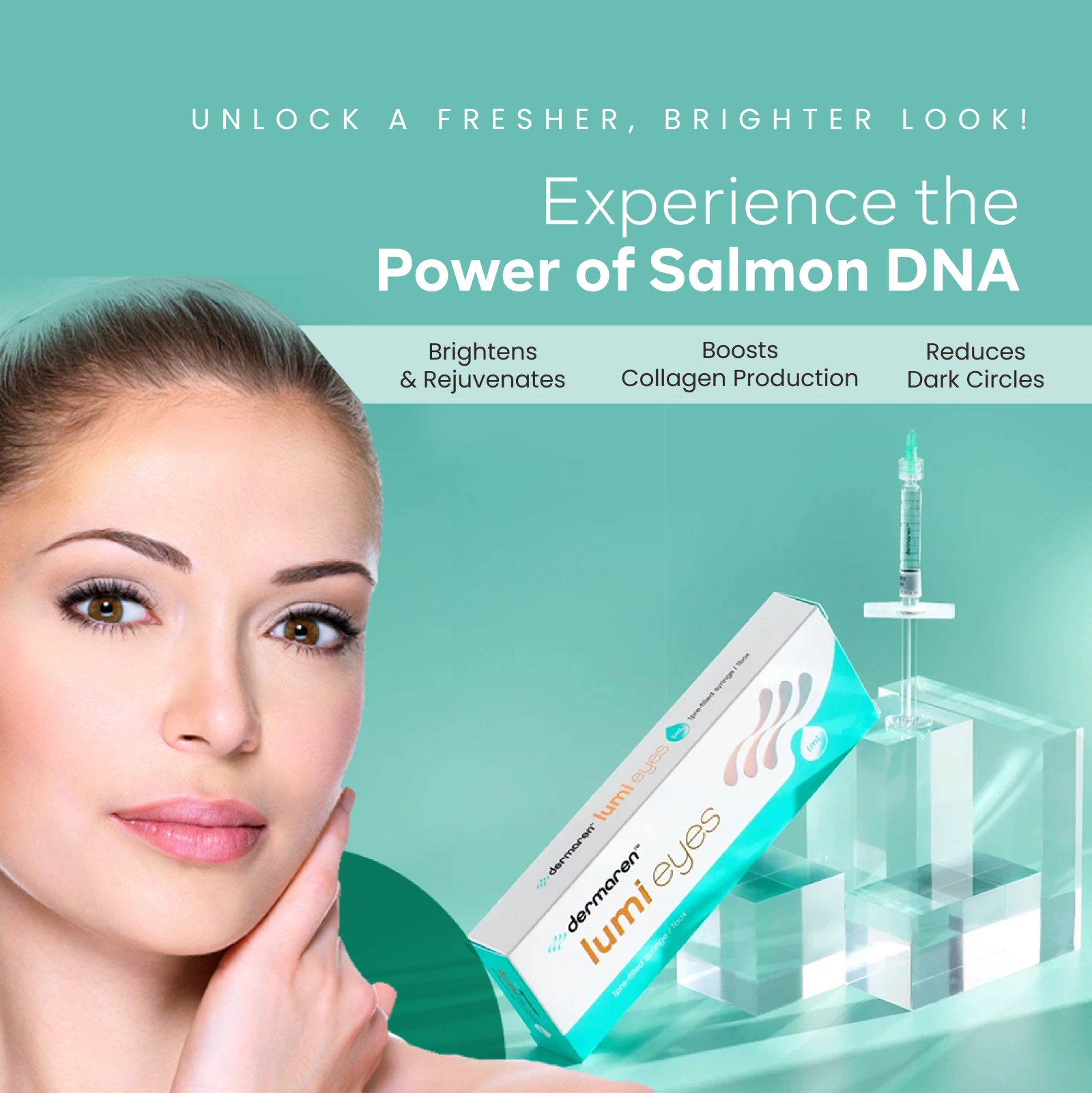
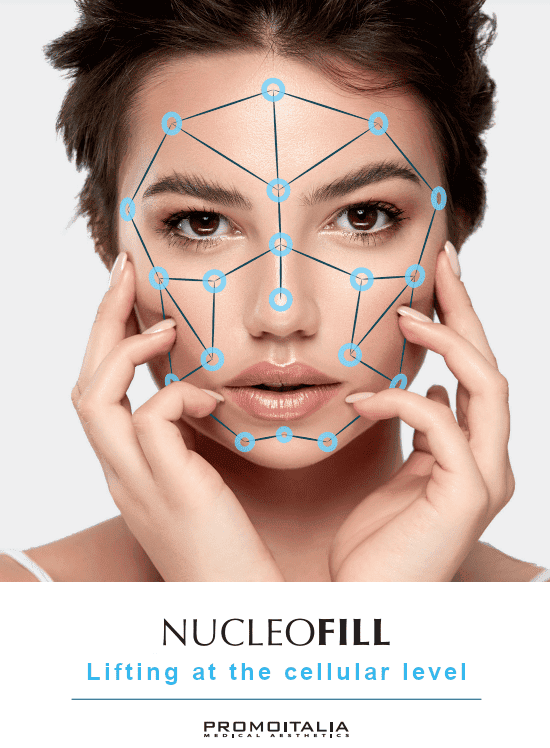
Treatment is performed using carefully selected, evidence-based products from established manufacturers with strong clinical and safety data. There are important technical differences betwen forumulations, with products having varied concentrations, characteristics, and indications, making treatment selection an important part of the planning process. Frequently used products include Lumi-Eyes and Lumi-Face, as well as the Nucleofill PDRN range (e.g. Nucleofill 20, Nucleofill 25, Nucleofill Soft Eyes).
Product selection is guided by:
- Skin quality
- Treatment area
- Degree of ageing
- Tissue thickness
- Individual treatment goals
Different formulations may be used for different areas of the face and neck, ensuring the most appropriate regenerative approach for each patient.
As with all treatments offered by Dr Tom Pepper, product selection forms an important part of the treatment-planning process rather than a one-size-fits-all approach.
What Can Polynucleotides Treat?
Under-Eye Rejuvenation
The delicate skin beneath the eyes is often one of the earliest areas to show signs of ageing.
Polynucleotides may help improve:
- Skin quality
- Fine lines
- Crepey skin texture
- Hydration
- Overall under-eye appearance
This has made them an increasingly popular option for individuals seeking subtle rejuvenation of the lower eyelid region.
Facial Skin Quality
Treatment may improve:
- Skin texture
- Elasticity
- Hydration
- Luminosity
- Fine lines
The emphasis is on improving the overall quality of the skin rather than treating a single wrinkle or feature.
Neck Rejuvenation
The neck frequently shows signs of ageing through:
- Reduced elasticity
- Fine wrinkling
- Thinning skin
Polynucleotides may help improve skin quality and tissue resilience in this area.
Acne Scarring
In selected patients, regenerative treatment may support improvements in skin texture and overall skin quality as part of a broader treatment programme.
Post-Procedural Skin Recovery
Polynucleotides may be incorporated into treatment plans designed to support healing and tissue regeneration following selected facial procedures.
A Personalised Treatment Plan
Every face ages differently.
Treatment planning takes into account:
- Skin quality
- Degree of photoageing
- Facial anatomy
- Lifestyle factors
- Treatment goals
- Previous procedures
Polynucleotides are frequently integrated with other treatments where appropriate to create a comprehensive regenerative strategy.
Polynucleotides vs Dermal Fillers
Although both are injectable treatments, their objectives are very different.
Polynucleotides
Do not significantly increase facial volume. They primarily improve:
- Skin quality
- Tissue repair
- Hydration
- Elasticity
During consultation, careful assessment determines which treatment—or combination of treatments—is most appropriate.
Polynucleotides vs PRP
Both treatments aim to stimulate regeneration, but they differ in their source and mechanism.
PRP (Platelet Rich Plasma)
Uses the patient’s own blood-derived growth factors to stimulate repair.
Polynucleotides
Deliver highly purified regenerative molecules directly to the tissues to support cellular function and healing.
Each treatment has advantages, and in some cases they may be used as part of a broader regenerative treatment plan.
What to Expect
Consultation
Your consultation includes:
- Assessment of skin quality
- Review of treatment goals
- Facial analysis
- Discussion of suitable regenerative options
A personalised treatment plan is then developed.
Treatment
The procedure involves a series of carefully placed injections into the targeted areas.
Treatment is generally well tolerated and usually takes around 30 to 45 minutes.
Recovery
Most patients experience:
- Mild swelling
- Small injection-site bumps
- Temporary redness
- Minimal downtime
Normal activities can usually be resumed shortly afterwards.
Results
Improvements develop gradually as regenerative processes occur within the tissues.
Patients commonly notice:
- Improved hydration
- Better skin texture
- Increased elasticity
- Healthier skin quality
- A fresher appearance
The results are typically subtle, progressive, and natural.
Why Choose Dr Tom Pepper?
Regenerative facial treatments should not be viewed simply as cosmetic procedures.
Successful outcomes depend upon understanding:
- Facial anatomy
- Tissue biology
- Facial ageing
- Regenerative medicine
- Long-term facial balance
As a dual-qualified Consultant Oral and Maxillofacial Surgeon trained in both medicine and dentistry, Tom Pepper combines extensive expertise in facial surgery, facial rejuvenation, and advanced regenerative treatments.
This depth of knowledge allows treatments to be selected and delivered according to the underlying needs of the patient rather than short-term aesthetic trends.
The emphasis is always on achieving healthy, natural-looking improvement that complements the face rather than changing it.
Frequently Asked Questions
What are polynucleotides?
Polynucleotides are highly purified DNA fragments used to support tissue repair, improve hydration, and enhance overall skin quality.
How many treatments will I need?
Most patients benefit from a course of treatments, although recommendations vary depending on skin quality and treatment goals.
When will I see results?
Results develop gradually over several weeks as regenerative processes occur within the skin.
Can polynucleotides be combined with other treatments?
Yes. Polynucleotides are commonly combined with treatments such as microneedling, PRP, skin boosters, dermal fillers, and surgical facial rejuvenation where appropriate.
Do polynucleotides add volume?
No. Unlike dermal fillers, polynucleotides primarily improve skin quality rather than increasing volume.
Are polynucleotides suitable for the under-eye area?
Yes. The under-eye region is one of the most common treatment areas, particularly in patients seeking improvement in skin quality and fine lines.
Consultation
Consultations for polynucleotide treatment are available in London at Harley Street and Cromwell Hospital.
A detailed assessment allows discussion of your skin concerns, regenerative treatment options, and the most appropriate approach to achieving healthier, more resilient skin.
Book Your Appointment
Arrange a consultation to discuss a personalised regenerative treatment plan and explore whether polynucleotides are suitable for your individual goals.