




Sinus Lift Surgery for Dental Implants
A sinus lift, also known as sinus augmentation surgery, is a procedure used to increase the amount of bone available in the upper jaw for dental implants.
Following tooth loss in the back of the upper jaw, the maxillary sinus naturally expands while the surrounding bone gradually shrinks. In some patients, this process leaves insufficient bone to support dental implants safely and predictably.
Dr Tom Pepper is a Consultant Oral & Maxillofacial Surgeon in London providing sinus lift surgery as part of comprehensive dental implant treatment. Sinus augmentation can often create the bone volume required for successful implant placement in areas where treatment might otherwise be impossible.
Private consultations are available in London, including Harley Street and Cromwell Hospital.
What Is a Sinus Lift?
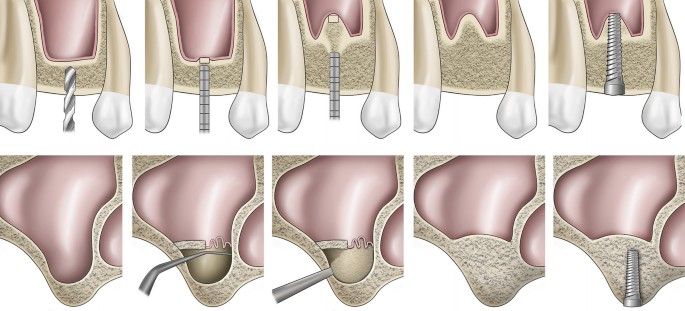
A sinus lift is a procedure designed to increase bone height in the upper jaw beneath the maxillary sinus. The sinus membrane is carefully elevated and bone graft material is placed beneath it, creating additional bone volume over time. The objective is to provide a stable foundation for future dental implant placement.
Do I Need a Sinus Lift?
Not all implant patients require sinus augmentation. A sinus lift may be considered where:
- Bone height is inadequate for implant placement
- Long-standing tooth loss has occurred
- Significant sinus expansion is present
- Additional implant stability is required
- More favourable implant positioning is desired
A clinical examination and CT scan are usually required to determine whether sinus augmentation would be beneficial.
Types of Sinus Lift Procedure
Internal (Transcrestal) Sinus Lift
An internal sinus lift is generally used when moderate additional bone height is required. The sinus floor is gently elevated through the implant site and bone graft material may be added where appropriate. In selected cases, implant placement can be performed during the same procedure.
Lateral Window Sinus Lift
A lateral window sinus lift is used when more substantial bone augmentation is required. A small access window is created in the side of the upper jaw, allowing the sinus membrane to be elevated directly. Bone graft material is then placed beneath the membrane to create new bone volume. This technique can provide significant increases in available bone height and is widely used in more advanced implant rehabilitation.
Bone Graft Materials
Various graft materials can be used during sinus augmentation. Options include:
- The patient’s own bone
- Donor bone (allograft)
- Xenograft materials
- Synthetic graft materials
- Combination grafting approaches
The most appropriate choice depends on the clinical situation and treatment objectives.
Platelet-Rich Fibrin (PRF)
Platelet-Rich Fibrin (PRF) may be incorporated into sinus lift procedures where appropriate.
PRF is prepared from a small sample of the patient’s own blood and contains concentrated growth factors that support healing.
Potential benefits may include:
- Enhanced soft tissue healing
- Improved wound maturation
- Support for bone regeneration
- Reduced postoperative discomfort
Can Dental Implants Be Placed at the Same Time?
Sometimes. Whether implants can be placed simultaneously depends largely on the amount of existing bone. Where sufficient implant stability can be achieved, simultaneous implant placement may be possible. In other cases, allowing the graft to heal first provides a more predictable outcome. The most appropriate approach will be determined during treatment planning.
Recovery After Sinus Lift Surgery
Most patients experience a relatively straightforward recovery.
Typical symptoms may include:
- Mild discomfort
- Swelling of the cheek
- Bruising
- Nasal congestion
- Minor bleeding from the nose
These symptoms generally improve over the first few days to weeks following surgery. Patients are advised to avoid:
- Forceful nose blowing
- Heavy lifting
- Strenuous exercise
- Activities that significantly increase sinus pressure
Detailed postoperative instructions will be provided following treatment.
Sedation for Sinus Lift Surgery
Many sinus lift procedures can be performed under local anaesthetic but intravenous (IV) sedation or general anaesthetic may be preferred for more extensive procedures or anxious patients. The most appropriate option will be discussed during consultation.
How Successful Is Sinus Lift Surgery?
Sinus augmentation is a well-established procedure with a long history of successful use in implant dentistry. When carefully planned and performed appropriately, sinus lift surgery can reliably create sufficient bone volume for future implant placement. Success depends on factors including:
- Bone quality
- Smoking status
- Medical history
- Oral hygiene
- Graft material selection
- Surgical technique
A detailed assessment helps optimise outcomes and minimise complications.
Alternatives to Sinus Lift Surgery
Not every patient requires sinus augmentation. Depending on the anatomy and treatment objectives, alternatives may include:
- Short or angled dental implants
- Zygomatic implants
- Subperiosteal implants
- Alternative restorative options
The most appropriate treatment pathway depends on the individual patient’s anatomy and goals.
Collaborative Care with a Specialist Prosthodontist
Successful implant treatment requires both precise surgical planning and high-quality restorative care.
Dr Tom Pepper works closely with a specialist prosthodontist throughout the treatment process. This collaborative approach allows implant positioning, function, aesthetics and long-term maintenance to be considered from the earliest stages of treatment planning.
This is particularly valuable in complex implant rehabilitation and bone augmentation cases.
Why Choose a Consultant Oral & Maxillofacial Surgeon?
Sinus lift surgery requires a detailed understanding of sinus anatomy, dental implant surgery, bone grafting materials and techniques. As a Consultant Oral & Maxillofacial Surgeon, Dr Tom Pepper combines medical, dental and surgical training to assess and treat both straightforward and complex implant reconstruction cases.
Frequently Asked Questions
What Is a Sinus Lift?
A sinus lift is a surgical procedure used to increase bone height in the upper jaw to allow placement of dental implants.
Is a Sinus Lift Painful?
Most patients experience only mild to moderate discomfort following treatment. Symptoms are usually well controlled with routine pain relief.
How Long Does a Sinus Lift Take to Heal?
Healing varies between patients and depends on the extent of grafting performed. Several months of healing are often required before final implant placement, although some patients may receive implants during the same procedure.
Can Dental Implants Be Placed Without a Sinus Lift?
Sometimes. Alternative approaches including short implants or zygomatic implants may be suitable in selected patients. A CT scan is often required to determine the best option.
Does Smoking Affect Sinus Lift Surgery?
Yes. Smoking can impair healing and increase the risk of complications following both bone grafting and implant surgery. Smoking cessation is strongly encouraged wherever possible.
Book a Consultation
If you have been told that you do not have enough bone for dental implants in the upper jaw, or are considering dental implant treatment following long-standing tooth loss, arrange a consultation with Dr Tom Pepper.
A detailed assessment can determine whether sinus lift surgery, dental implants, zygomatic implants, subperiosteal implants, or alternative reconstructive techniques provide the best route to long-term restoration of function and appearance.

