




Advanced Implant Treatment for Severe Bone Loss
Zygomatic implants are specialised dental implants designed for patients with significant bone loss in the upper jaw who may not be suitable for conventional dental implants.
By anchoring into the zygomatic bone (cheekbone) rather than relying solely on the upper jaw, zygomatic implants can provide secure support for fixed teeth even in highly challenging cases.
Dr Tom Pepper is a Consultant Oral & Maxillofacial Surgeon in London providing assessment and treatment planning for complex implant reconstruction, including severe maxillary atrophy, failed implant treatment and advanced bone loss.
Private consultations are available in London, including Harley Street and Cromwell Hospital.
What Are Zygomatic Implants?
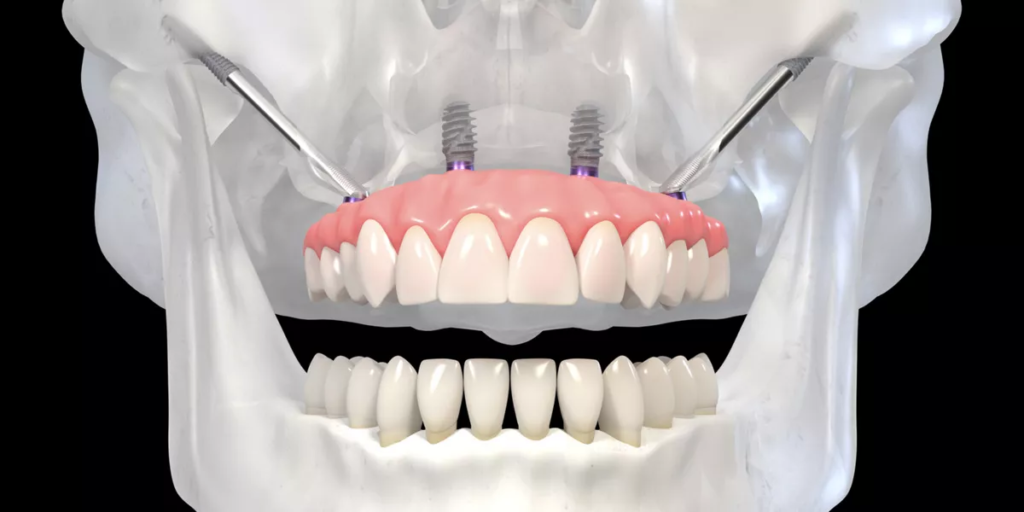
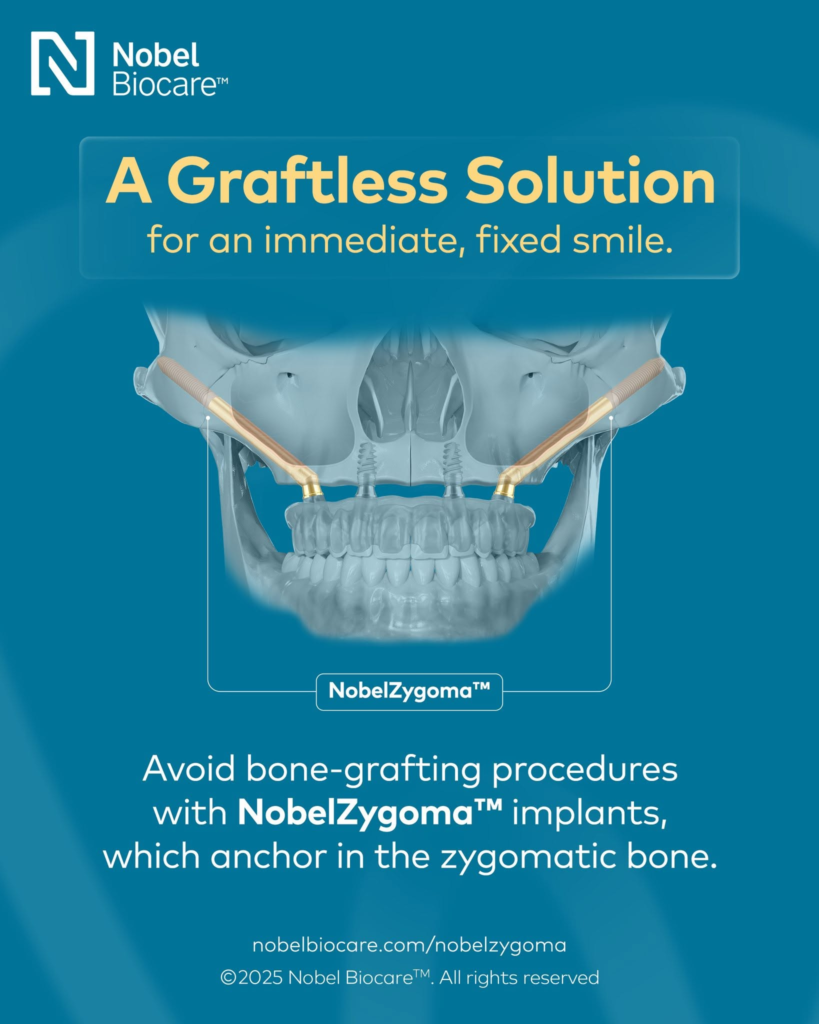
Zygomatic implants are longer dental implants that obtain support from the zygomatic bone, commonly known as the cheekbone.
Unlike conventional dental implants, which are placed entirely within the upper jaw, zygomatic implants pass through or around the sinus to engage the dense bone of the cheek, allowing fixed implant reconstruction even when very little upper jaw bone remains.
They were developed for patients with significant maxillary bone loss and have become an important treatment option in advanced implant rehabilitation.
Who May Benefit from Zygomatic Implants?
Zygomatic implants may be suitable for patients with:
- Severe upper jaw bone loss
- Long-term denture wear
- Failure of previous dental implants
- Failed bone grafting
- Significant maxillary atrophy
- Extensive tooth loss
- Advanced periodontal disease
- Difficulty retaining upper dentures
Many patients seeking zygomatic implants have previously been told that they do not have enough bone for conventional dental implants.
Zygomatic Implants Versus Bone Grafting
Traditional management of severe upper jaw bone loss often involves extensive bone grafting before implant placement.
Although bone grafting remains an excellent option in many situations, zygomatic implants can provide an alternative pathway to fixed teeth without the need for large grafting procedures.
Potential advantages may include:
- Avoiding numerous bone graft procedures
- Reduced overall treatment time
- Fewer surgical stages
- Rehabilitation of severely atrophic upper jaws
The most appropriate approach depends on individual anatomy and treatment goals.
How Do Zygomatic Implants Work?
Detailed assessment and CT imaging are used to evaluate the anatomy of the upper jaw, maxillary sinuses and cheekbones. During surgery:
- Conventional implants may be placed where sufficient jawbone exists
- Zygomatic implants are placed into the cheekbone to provide additional support
- Fixed or implant-supported reconstruction is subsequently completed in collaboration with a specialist prosthodontist
The exact treatment design depends upon the degree of bone loss and the condition of the remaining dentition.
Can Teeth Be Provided Immediately?
In selected patients, immediate loading may be possible. This means that temporary fixed teeth can sometimes be attached soon after implant placement rather than waiting for prolonged healing. Whether immediate loading is appropriate depends upon bone quality, implant stability, bite forces, and overall prosthesis design. These are assessed on an individual basis during planning.
Assessment and Planning
Successful zygomatic implant treatment relies upon thorough surgical planning. Assessment may include:
- Clinical examination
- Digital photographs
- Intraoral scanning
- CT imaging
- Evaluation of existing restorations
- Assessment of facial proportions and smile aesthetics
The objective is not simply implant placement, but long-term functional and aesthetic rehabilitation.
Collaboration with a Specialist Prosthodontist
Successful implant reconstruction depends upon both surgical placement and restorative planning.
Dr Tom Pepper works closely with a specialist prosthodontist throughout treatment to ensure that implant positioning, bite function, aesthetics and long-term maintenance are considered from the earliest stages of planning.
This collaborative approach is particularly important in full-arch reconstruction and complex implant rehabilitation.
Alternatives to Zygomatic Implants
Treatment options depend upon the amount and distribution of available bone.
Potential alternatives may include:
- Conventional dental implants
- Bone grafting
- Sinus augmentation
- Custom subperiosteal implants
A detailed consultation helps determine the most appropriate treatment pathway.
Why Choose a Consultant Oral & Maxillofacial Surgeon?
Zygomatic implant surgery is an advanced form of implant reconstruction requiring a detailed understanding of maxillofacial anatomy and surgery. As a Consultant Oral & Maxillofacial Surgeon, Dr Tom Pepper combines medical, dental and surgical training to assess and manage complex implant cases, including those involving severe jawbone loss and previous treatment failure.
Frequently Asked Questions
What Are Zygomatic Implants?
Zygomatic implants are specialised dental implants that anchor into the cheekbone rather than relying solely upon the upper jaw. They are used in patients with severe upper jaw bone loss.
Do I Need Bone Grafting Before Zygomatic Implants?
Not necessarily. One of the major advantages of zygomatic implants is that they may allow fixed implant rehabilitation without extensive upper jaw bone grafting. However, the most appropriate treatment approach varies between patients.
Are Zygomatic Implants Safe?
When carefully planned and performed by appropriately trained surgeons, zygomatic implants have been shown to provide predictable outcomes in selected patients with severe maxillary bone loss. As with all surgical procedures, risks and potential complications will be discussed fully during consultation.
Are Zygomatic Implants Painful?
The procedure is typically performed under sedation or general anaesthesia. Most patients experience temporary swelling and discomfort during the early recovery period, which generally improves steadily over the first few weeks.
How Long Do Zygomatic Implants Last?
Scientific studies have demonstrated excellent long-term outcomes for zygomatic implants and they are intended as a long-term solution for fixed dental rehabilitation. Long-term success is impacted by oral hygiene, prosthetic maintenance, and regular follow-up care. A systematic review of more than 4,500 zygomatic implants reported a 95.2% survival rate at 12 years. Most implant failures occurred during the first six months after surgery.
Do Zygomatic Implants have a high complication rate?
The same systematic review reported relatively low complication rates. The most common complication was sinusitis, occurring in approximately 2.4% of cases. Other reported complications included soft tissue infection (2.0%), temporary sensory disturbance (1.0%) and oro-antral fistula formation (0.4%). The study cautioned that the complication rate may be an underestimate.
Am I Suitable for Zygomatic Implants?
Suitability depends upon several factors, including existing dentition, previous implant treatment, medical history, bone availability, and overall treatment objectives. A comprehensive assessment and CT scan are typically required before determining whether zygomatic implants are appropriate.
Book a Consultation
If you have been told that you do not have enough bone for conventional dental implants, or are seeking solutions for severe upper jaw bone loss, arrange a consultation with Dr Tom Pepper.
A detailed assessment can determine whether zygomatic implants, bone grafting, conventional dental implants, subperiosteal implants or alternative reconstructive options may provide the best route to long-term functional and aesthetic rehabilitation.

