



Specialist Trauma Management
Facial injuries are common in contact and high-performance sport, affecting not only appearance but vision, breathing, jaw function, and overall performance.
Management in athletes differs from standard trauma care. The focus is not solely on healing, but on restoring function efficiently and enabling a safe, structured return to training and competition.
A High-Performance Approach
In elite and competitive athletes, treatment is guided by:
- Rapid and accurate assessment
- Early decision-making (operate vs observe)
- Restoration of functional performance
- Minimisation of time away from sport
- Structured return-to-play planning
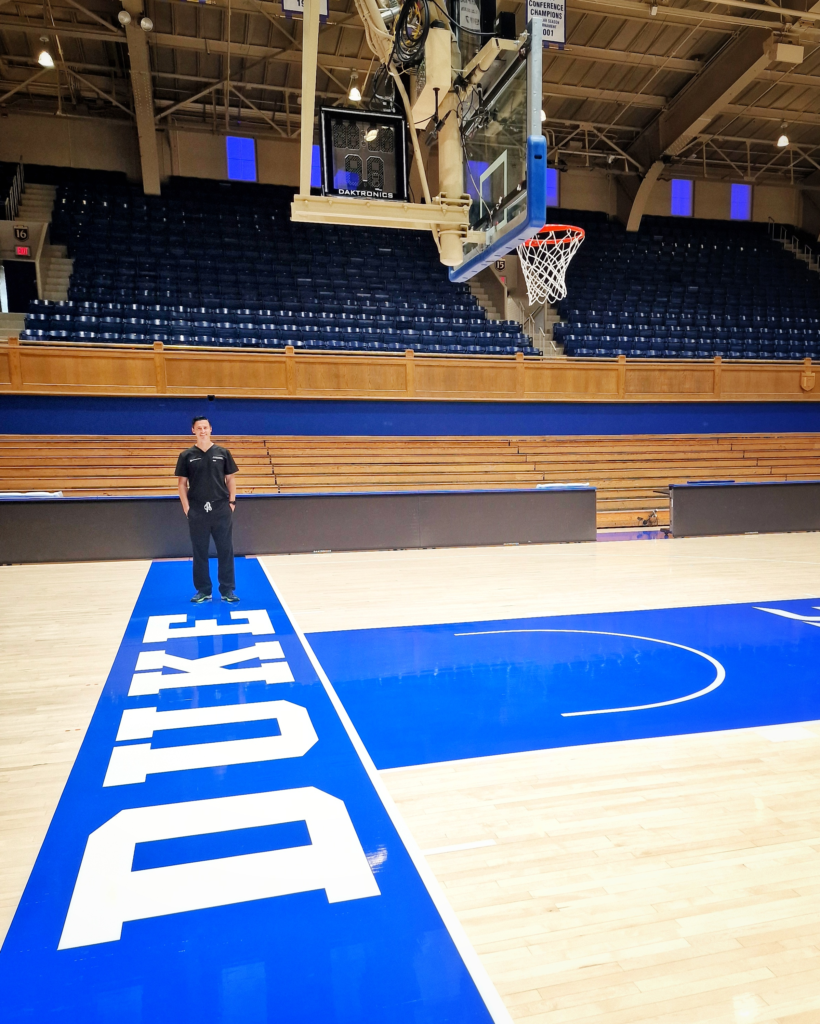
This approach reflects Dr Tom Pepper’s experience managing facial injuries in high-level US college athletes, where timelines and functional outcomes are critical.
Common Facial Injuries in Sport
Athletes frequently present with the following facial injuries:
- Broken nose
- Broken cheekbone (zygoma or ZMC fracture)
- Broken eye socket (orbital floor fracture)
- Broken jaw (mandibular fracture)
- Facial lacerations and soft tissue injuries
Each requires a tailored approach depending on:
- Severity and displacement
- Functional impact (vision, jaw movement, breathing)
- Sport-specific demands
Key Principles of Management
1. Early and Accurate Diagnosis
Prompt clinical assessment and imaging allow:
- Identification of injuries requiring surgical intervention
- Avoidance of unnecessary procedures
- Reduction in delays to recovery
2. Selective Surgical Intervention
Not all injuries require surgery.
- Operate early when needed → prevents prolonged dysfunction
- Avoid surgery where possible → allows faster recovery
This balance is critical in athletes, where unnecessary intervention can extend downtime.
3. Functional Recovery as a Priority
Management focuses on restoring:
- Visual function (tracking, coordination)
- Jaw movement and bite
- Breathing and airway function
Functional readiness—not just anatomical healing—determines return to play.
4. Structured Return-to-Play Pathway
Return to sport is planned in stages:
- Early conditioning and non-contact activity
- Sport-specific skill reintroduction
- Controlled contact training
- Full return to competition
This approach reduces deconditioning while maintaining safety.
5. Custom Protective Equipment
Custom-made facial protection is a key component in many cases.
- Individually designed masks (thermoplastic or carbon fibre)
- Protect the injured area during recovery
- Allow earlier return to training and competition
This is widely used in professional sport, particularly for:
- Nasal fractures
- Zygomatic injuries
- Selected lacerations
Timing and Performance Considerations
In high-performance sport, timing is influenced by:
- Competition schedules
- Position-specific demands
- Risk of re-injury
- Psychological readiness
Treatment is therefore planned not only around healing, but around performance timelines and safe reintegration into sport.
Outcomes
With appropriate management, athletes can expect:
- Restoration of function
- Preservation of facial structure and symmetry
- Reduced complication rates
- Return to training and competition within a controlled timeframe
Specialist Approach
Management of facial injuries in athletes requires integration of:
- Trauma surgery
- Functional rehabilitation
- Performance-focused decision-making
As a dual-qualified (medical and dental) Consultant Maxillofacial Surgeon, care is guided by:
- Experience in high-performance sports injury management
- Detailed understanding of facial anatomy and biomechanics
- Emphasis on function, timing, and durability of repair
- Use of protective strategies to support return to play
When to Seek Assessment
Early assessment is important, particularly for athletes.
You should seek review if you have:
- Facial trauma affecting appearance or function
- Double vision or visual disturbance
- Difficulty opening the mouth or chewing
- Cuts requiring precise repair
- Any injury impacting training or performance
Consultation
Assessment involves clinical evaluation, imaging where required, and development of a treatment and return-to-play plan tailored to your sport and level of competition.
Book a Consultation
For assessment and management of facial injuries in athletes, including structured return-to-play planning, book a consultation as soon as possible following injury.